
URBAN LANDSCAPE
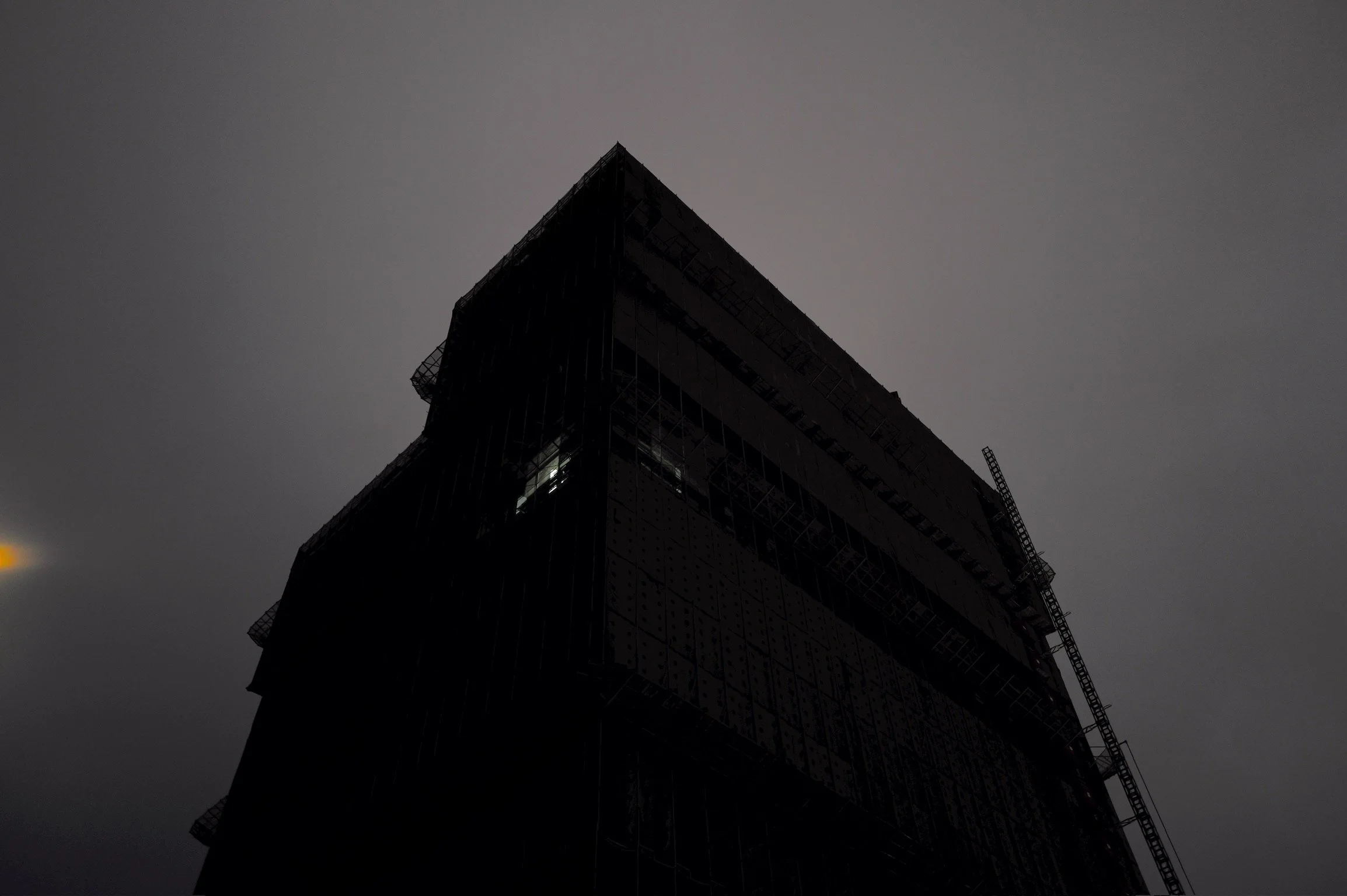
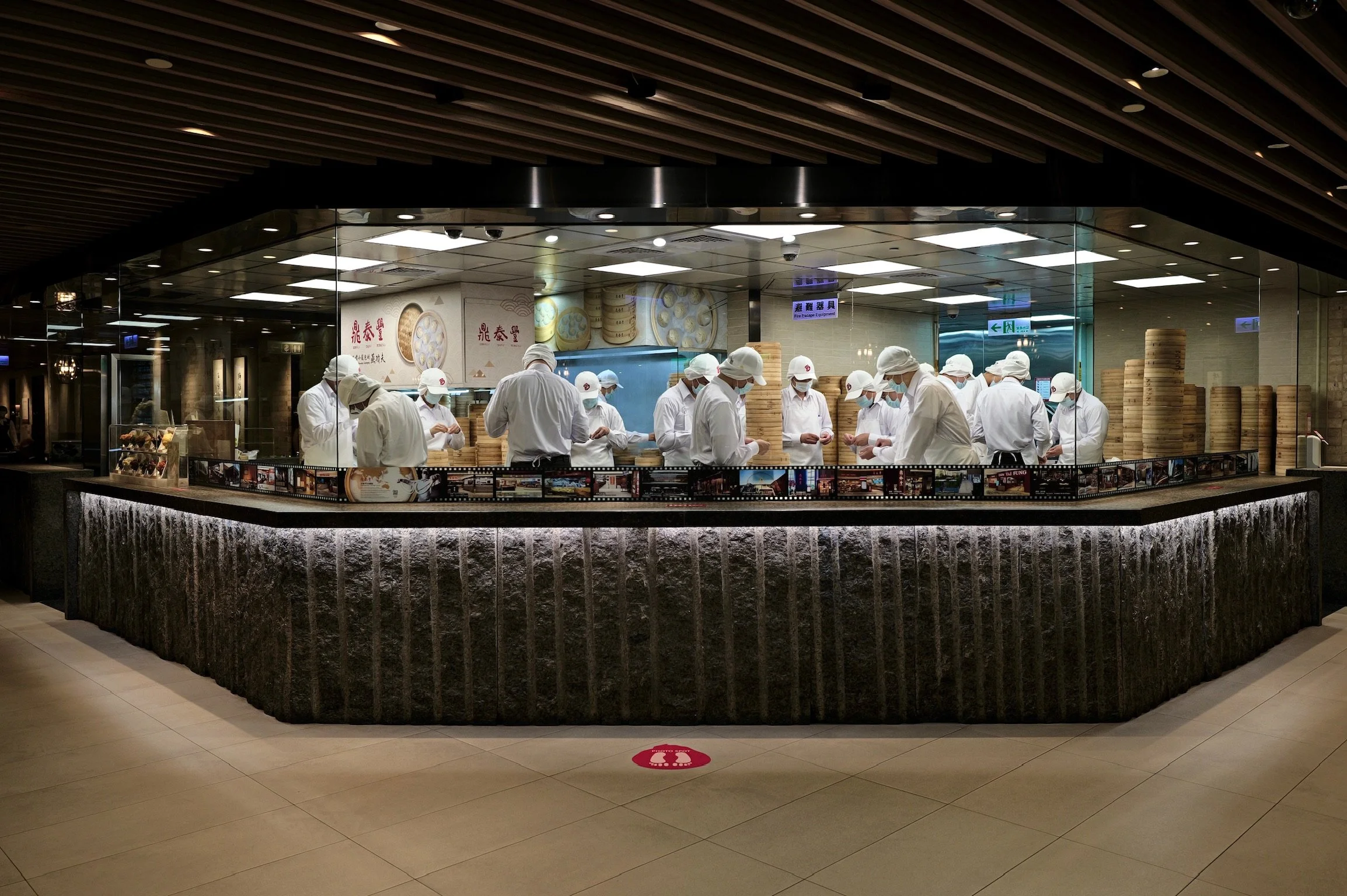
Taipei City, like metropolises all over the world, possesses the distinct characteristic of old and new coexisting.
To me, a city is an organic living entity, much like plants or insects. It manifests in the shifting light sources of the dark night, the abstract lines of architecture, and the vitality of weathered, peeling walls—resembling backdrops on a stage, scenes in a movie, installation art in a museum, or the ruins of an ancient civilization.
PORTRAIT
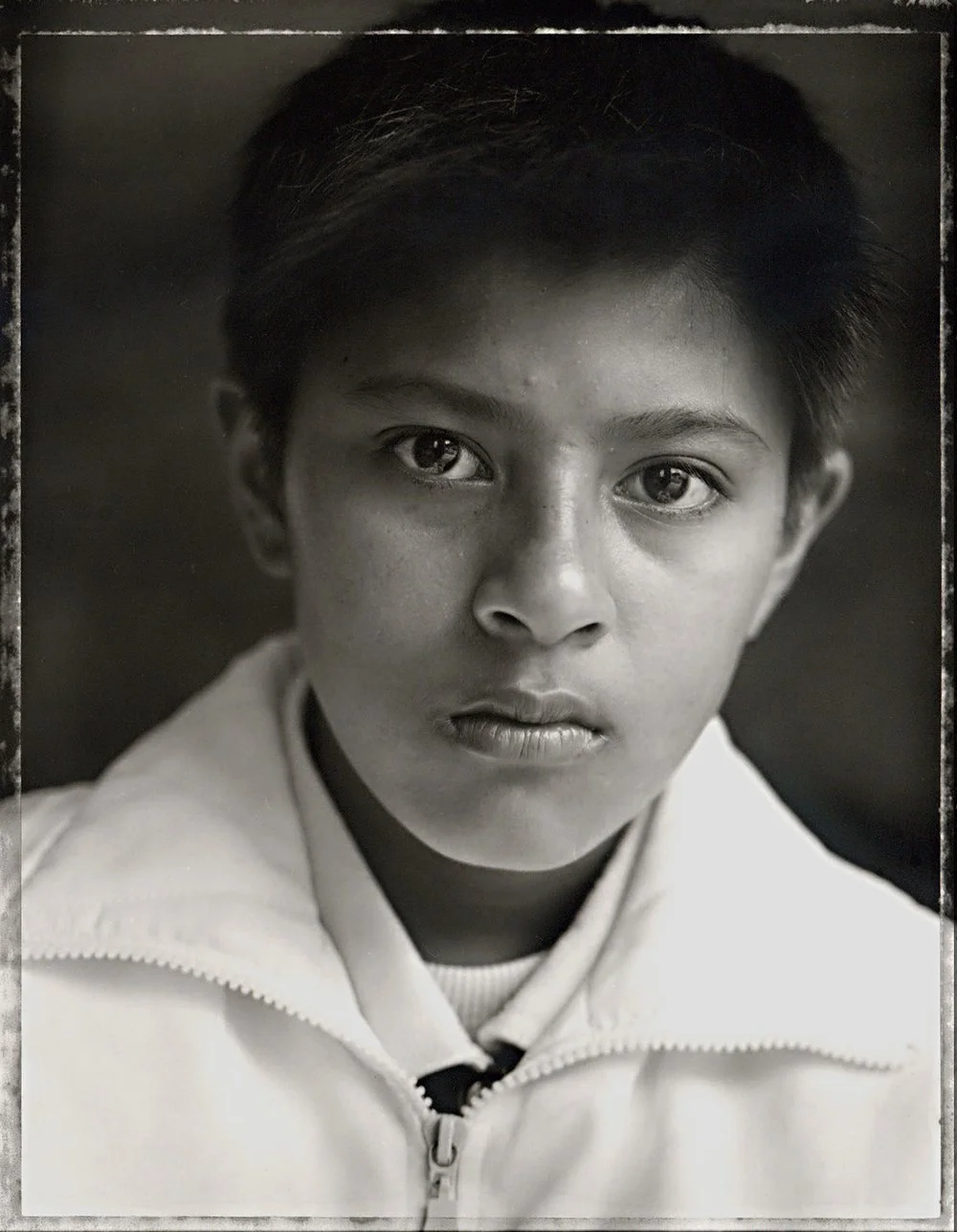
This project was born out of a foundation dedicated to providing immediate aid and support to Taiwan’s more vulnerable populations, specifically marginalized and underprivileged teenagers across the island.
To bridge the gap with these often-guarded youths, I utilized 4x5 Polaroid Type 55 positive/negative film and recorded intimate dialogues about their lives and the challenges they face.
The unique, tactile nature of the large-format process transformed the experience; it sparked a sense of curiosity and focus in the otherwise restless teenagers, encouraging them to slowly dissolve their defensive facade and reveal a more authentic self before the lens.
SHANGRI-LA
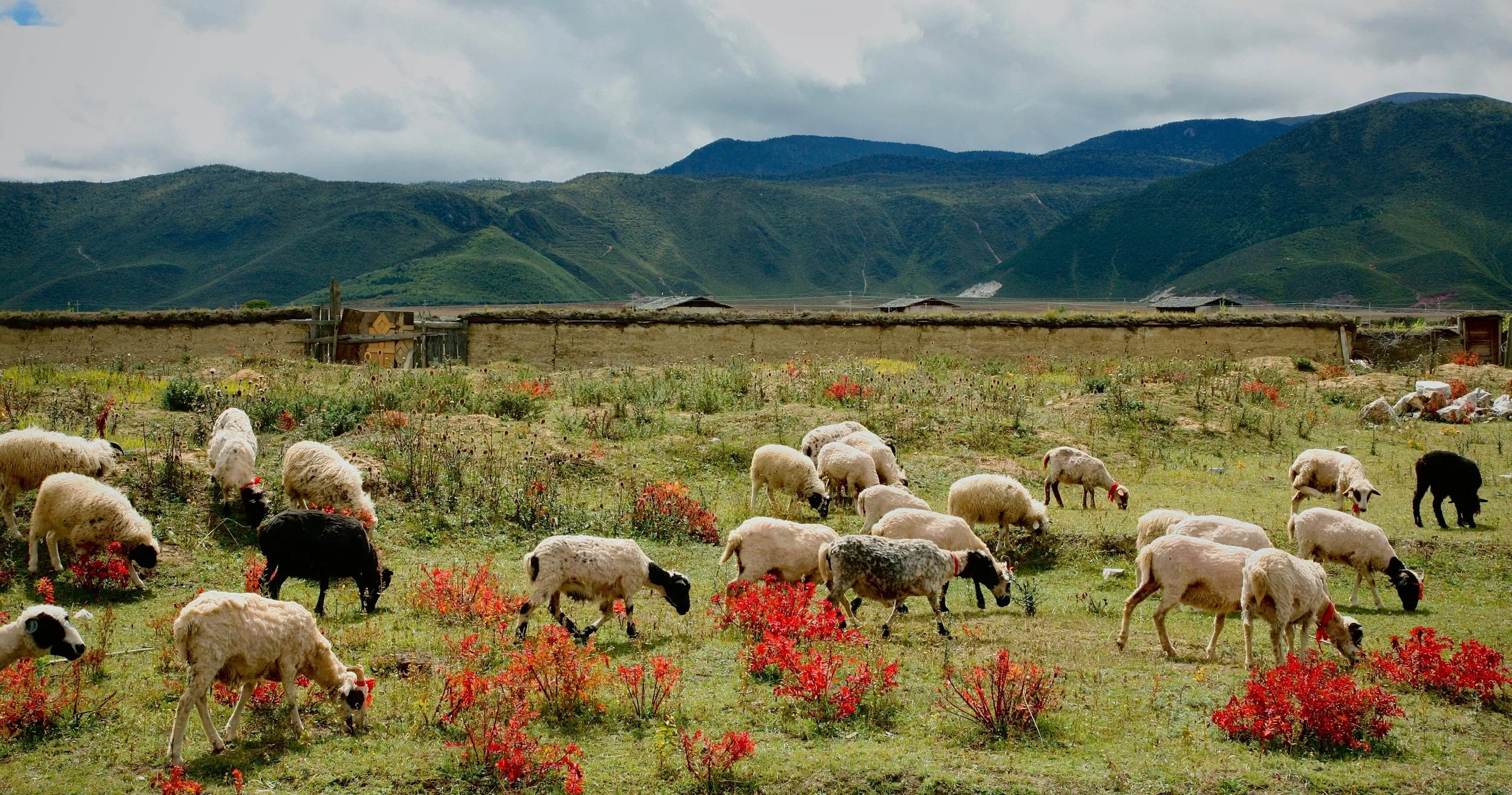
Between 2005 and 2006, I made several working trips to Zhongdian, a region in China’s Yunnan Province that had recently been officially renamed Shangri-La—a title claimed to evoke the image of a mystical, utopian mountain sanctuary.
Situated at a staggering average altitude of 3,200 meters, the landscape is steeped in deep Tibetan cultural traditions. In this rarefied air, I found both the environment and its people possessed a profound, inherent beauty: a resilient strength defined by an untamed and soulful simplicity.
TAIPEI DREAMWALK
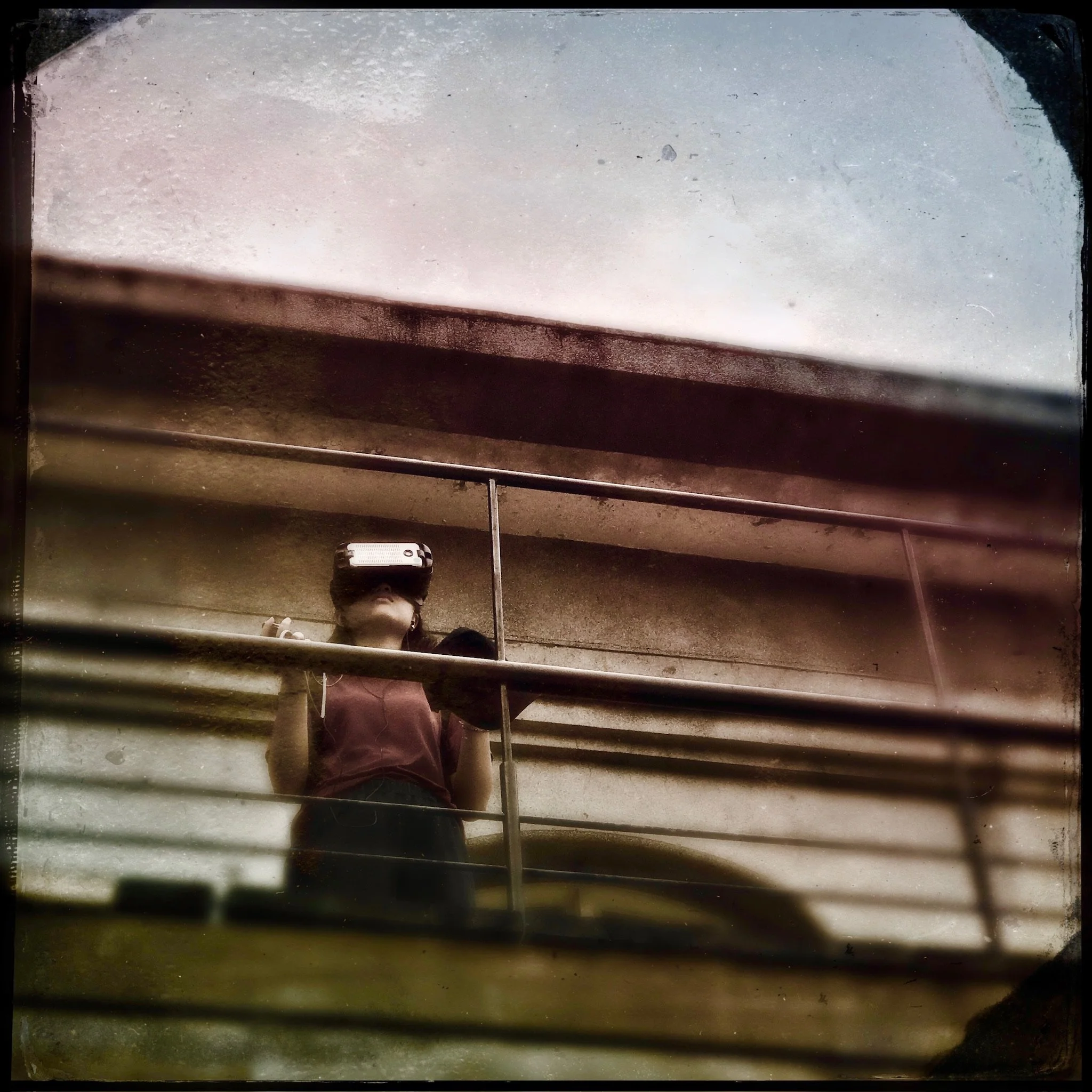
Having spent years primarily focused on the disciplined craft of 4x5 large-format black-and-white photography, I shifted my approach in 2013 to explore a radically different methodology.
For the next decade, I utilized an iPhone application which simulate late 19th-century photographic processes. This digital medium allowed me to play with an extremely shallow depth of field, heavy grain, and skewed, off-color saturations.
Through this lens, I portrayed the solitary inhabitants of an increasingly surreal urban environment, capturing a decade-long study of loneliness and atmospheric distortion within the modern city.
SPECIMEN
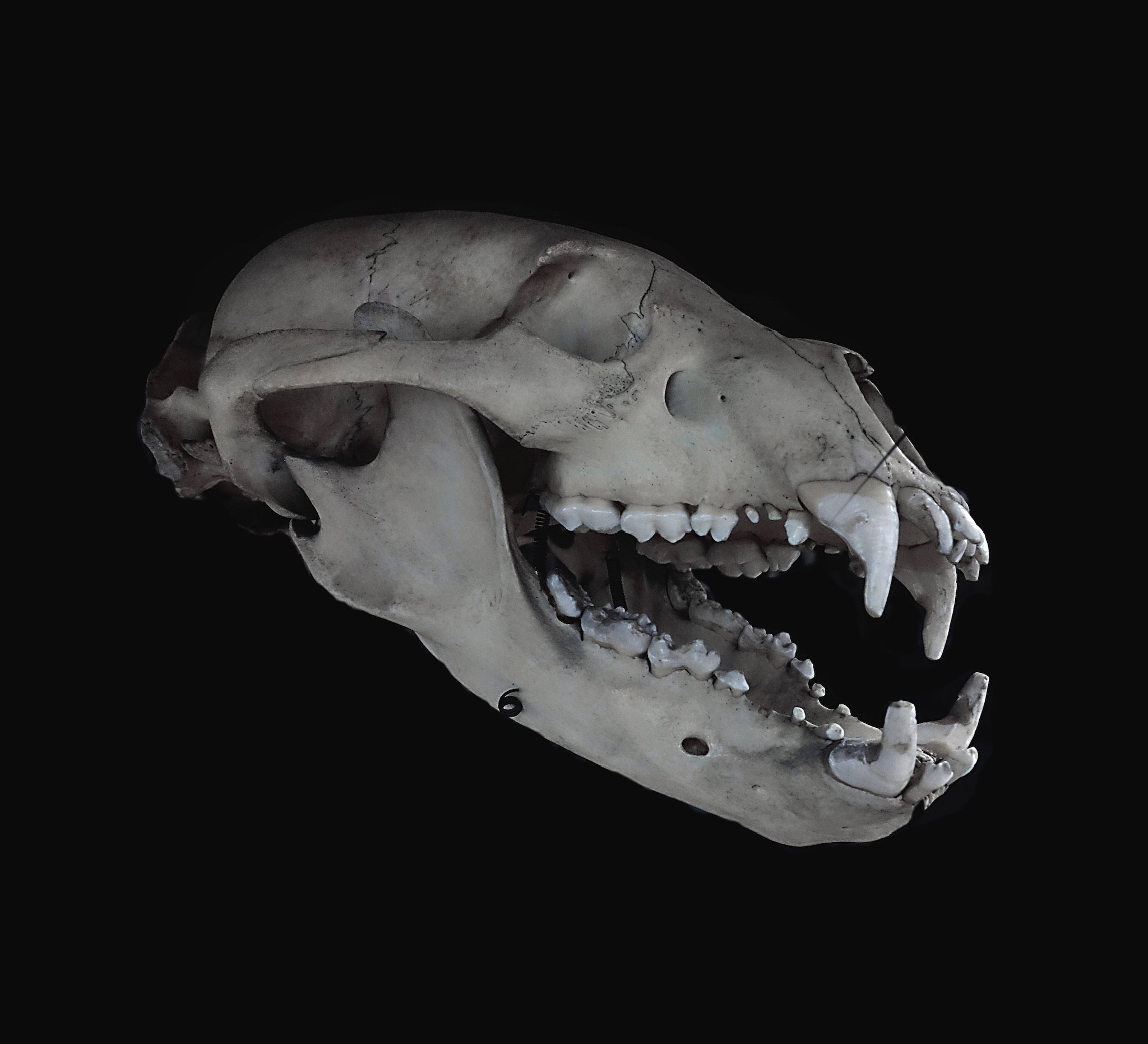
Since its establishment in 1928 during the Taihoku Imperial University era, the Museum of Zoology at the National Taiwan University’s College of Life Science has documented the rich fauna of Taiwan and its neighboring regions, preserving a collection of specimens with immense historical value.
From fierce beasts on land to marine mammal dugong, skeletal structures rarely visible to the naked eye—when selectively highlighted in parts—we can appreciate not only their fascinating structures but also their exquisite and complex forms. Yet, the most emotional sight of all belongs to the embryos that never had the chance to enter this world, resting in a deep, angel-like sleep.
FLORA
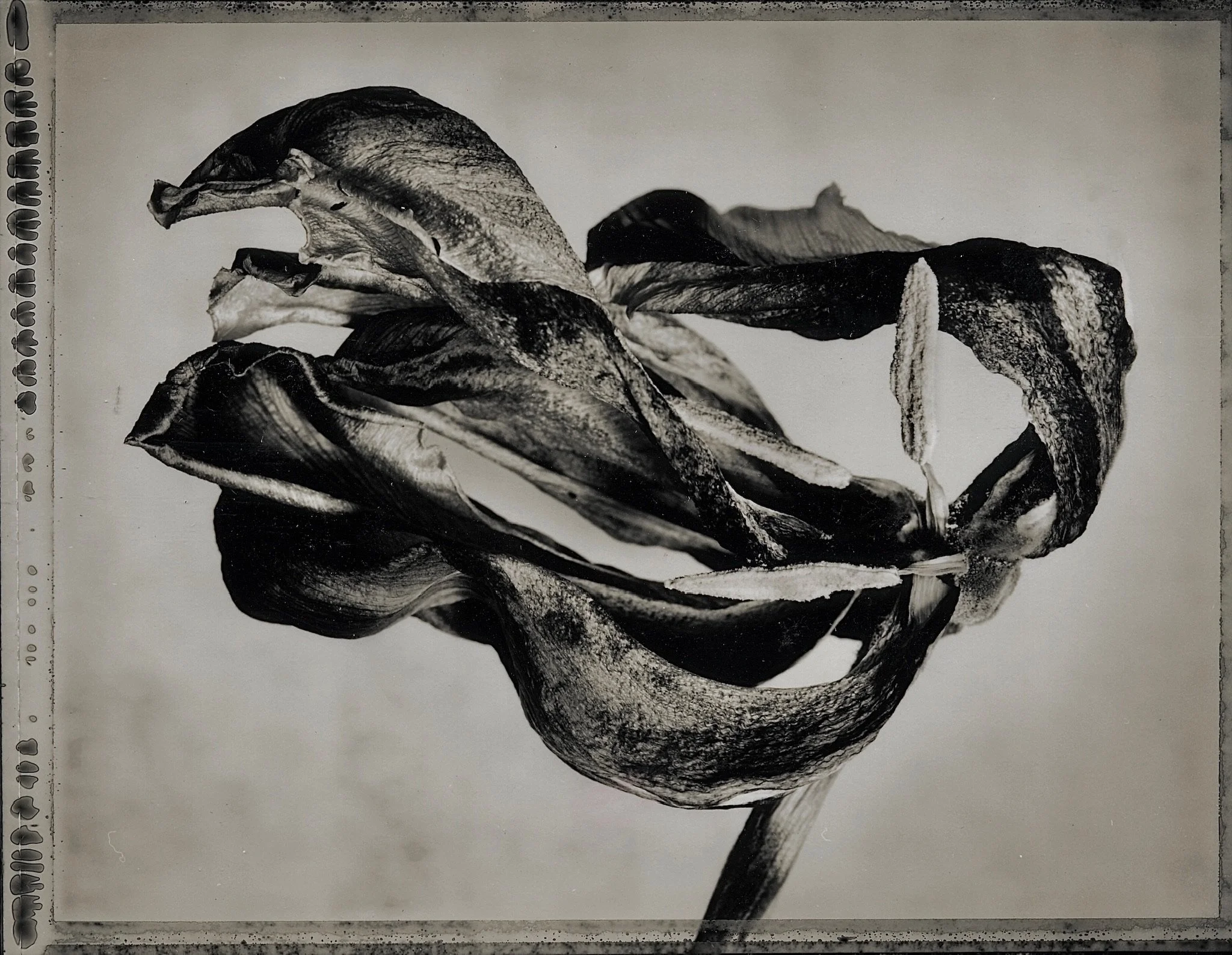
Once you filter out the distractions of various colors, whether in full bloom or in decay, abundant or depleted, each phase of a flora’s life reveals brilliant facets of its beauty.
Within the grayscale of black and white, one can perceive rich layers of texture, grain, and the dynamic rhythm of lines. The withered surfaces of leaves, petals, and branches seem to unlock a whole new stage of life.
DARK METAL
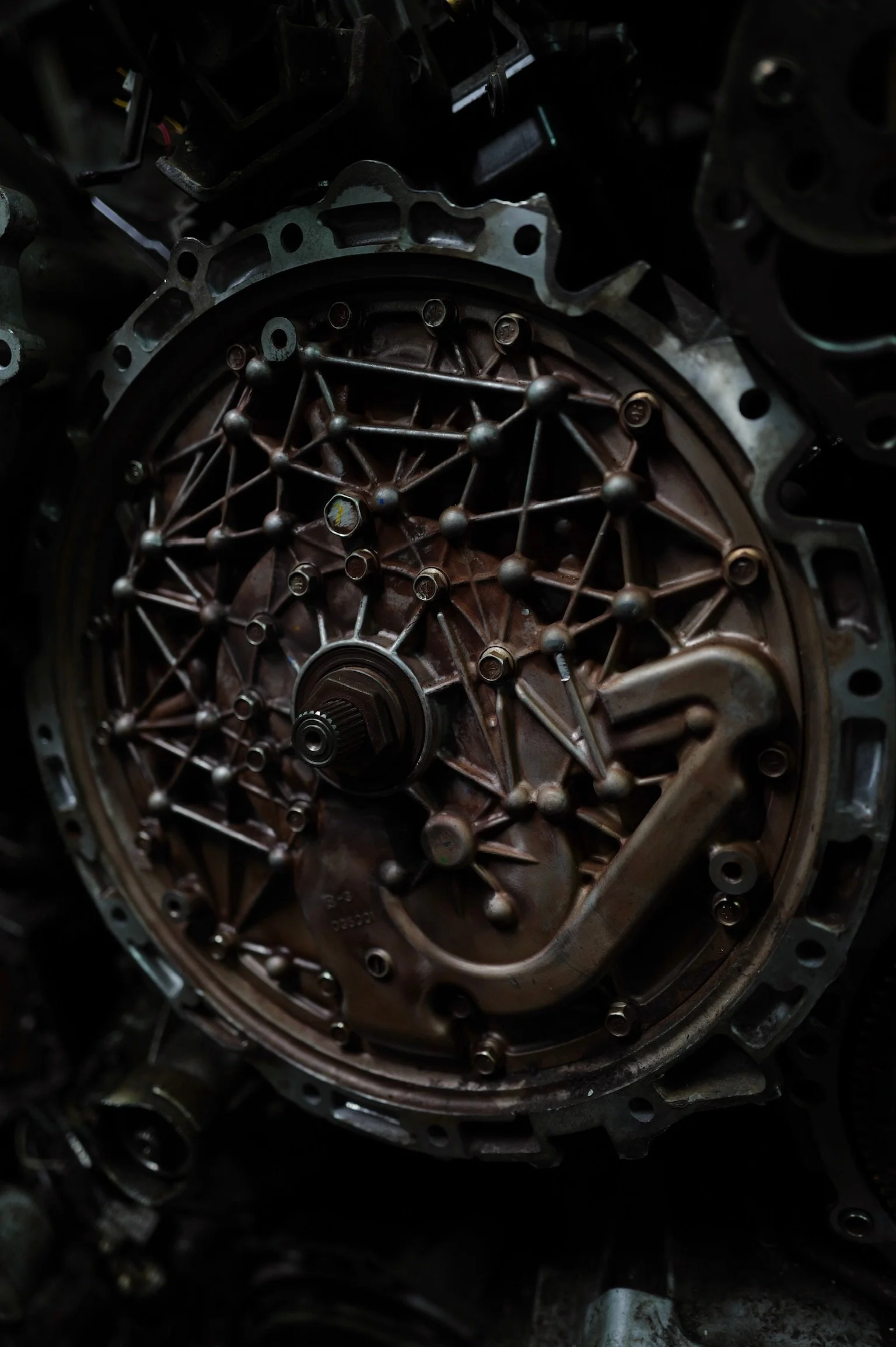
Tucked away in the narrow alleys of this historic Taipei district, a cluster of small shops remains—a living relic of the 1970s and '80s colloquially known as "Scrap Metal Street" and "Blacksmith Street."
The area is defined by the grit and industry of second-hand auto part refurbishment. Here, various car components are stacked into towering, precarious mounds; depending on the light or your perspective, these piles can feel like a decaying industrial wasteland or a gallery of intricate metal sculptures and modern installation art.
LANDSCAPE
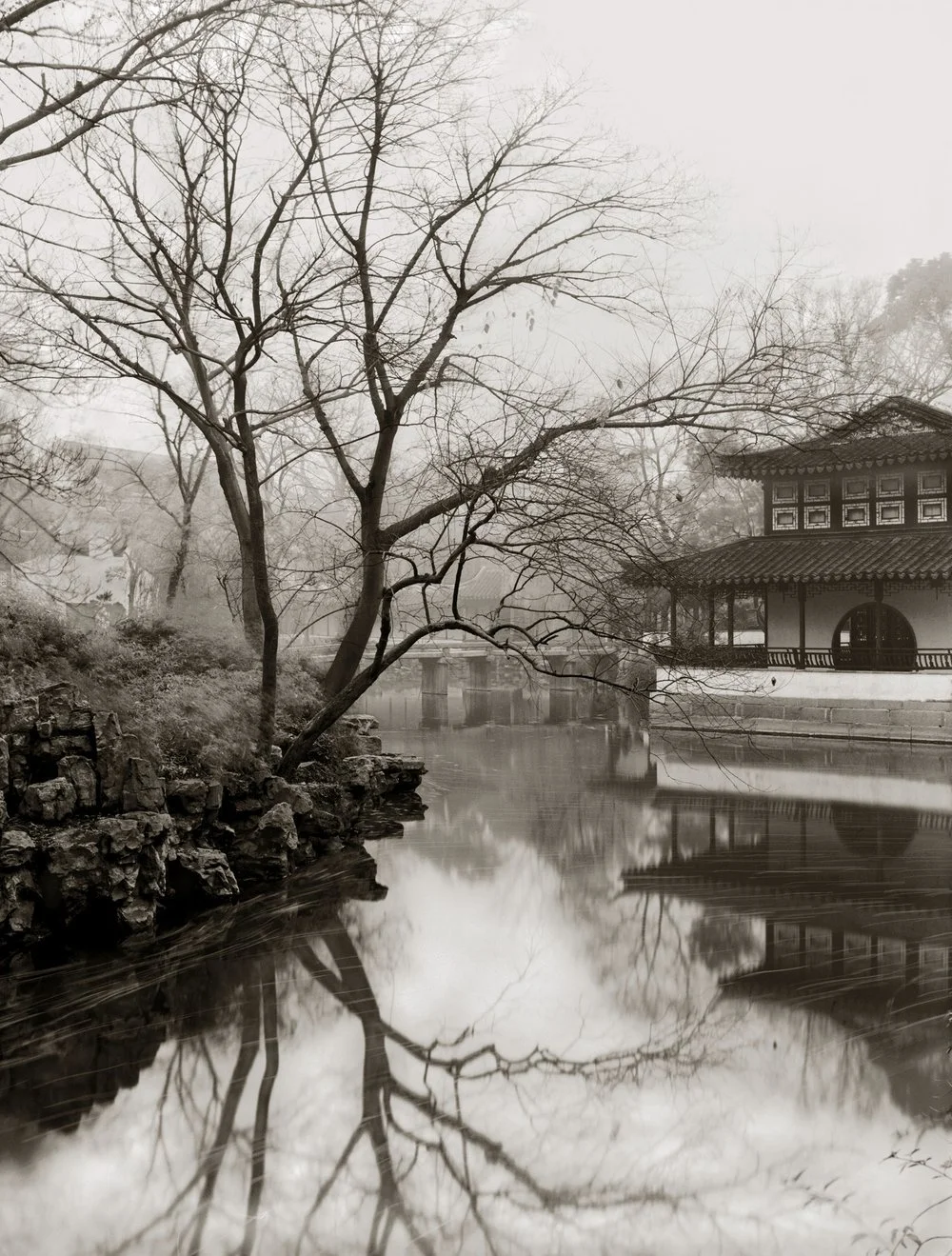
During my student years, I was deeply captivated and influenced by the poetic and solitary black-and-white landscapes of early 20th-century master Josef Sudek and the contemporary, influential Michael Kenna.
Their work is characterized by minimalist compositions, striking lines, in finding structural elegance in both the natural and man-made world, and a rich, evocative atmosphere. To capture this aesthetic, I utilize 4x5 large-format traditional camera.
STREET PHOTOGRAPHY
I see Taipei City as a theatrical stage. Drawing from my background in film, theatrical art direction, and still photography, I find myself drawn to moments that mirror a cinematic frame or a deliberately stage set, where the interplay between passersby, shifting light, and urban buildings structures create a sudden, dramatic harmony. In these fleeting moments, Taipei is transformed: it is no longer just a city, but a vast, living film set or an immersive theatrical space.
CARCASS
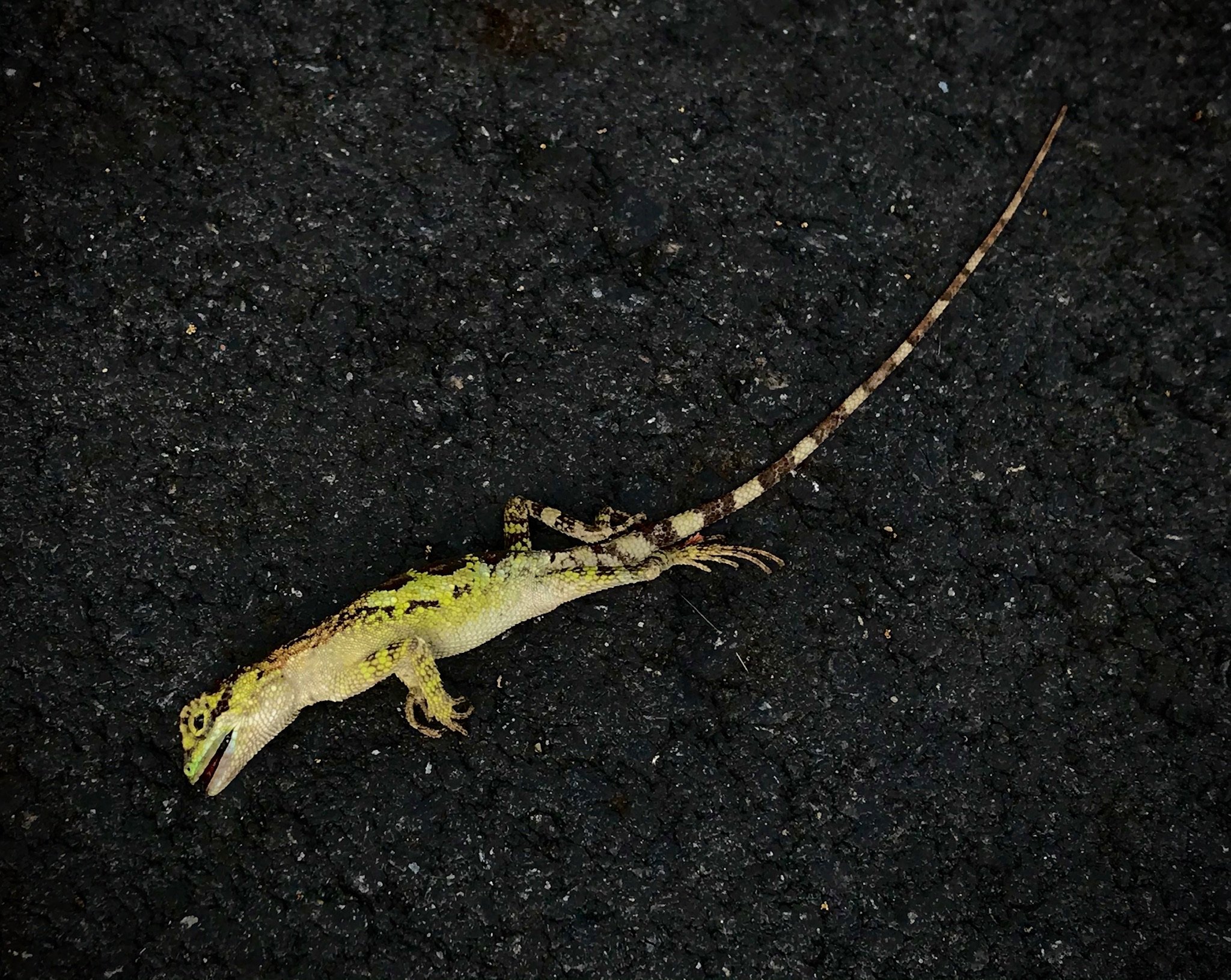
Living on the semi-mountainous outskirts of the city, my daily walks along the asphalt roads often bring me face-to-face with the quiet aftermath of nature’s struggle—an insect crushed by a passing car or the small, a still body of a bird hidden in the roadside grass.
Depending on how much time has passed since they were discovered, these remains reveal the various, haunting faces of death. The gradual deconstruction of the flesh, the withered yet vibrantly colored wings, and the shimmering, detached scales that catch the light- these moments are transformed into something starkly abstract and profoundly beautiful.